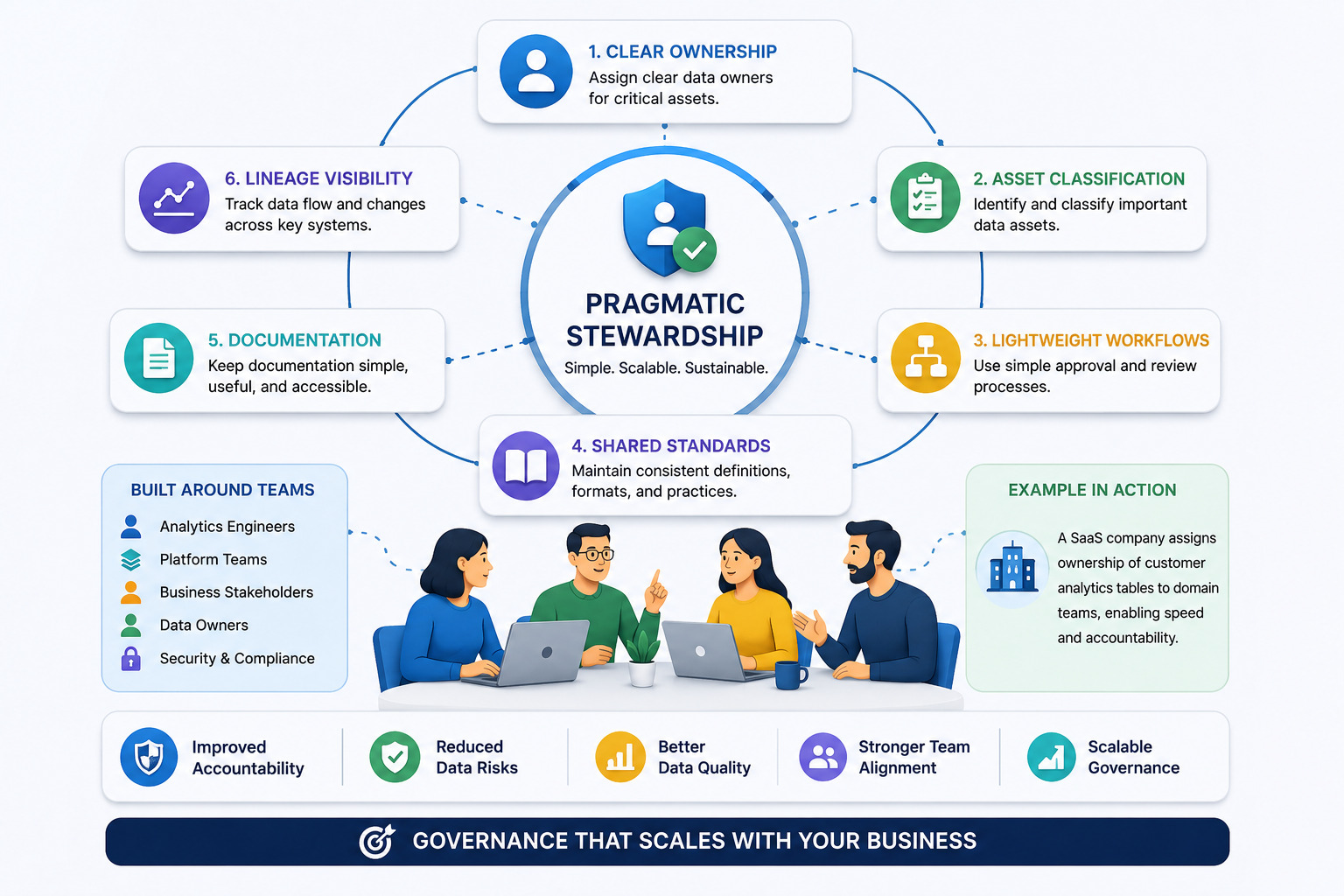
A Pragmatic Stewardship Model for Companies Under 1,000 People
As organizations grow, governance often becomes increasingly difficult to manage across data, analytics, and operational systems. However, smaller companies rarely need heavyweight governance frameworks designed for large enterprises.
Instead, they need practical stewardship models that improve accountability without slowing down teams or creating unnecessary process overhead.
Why Traditional Governance Often Fails
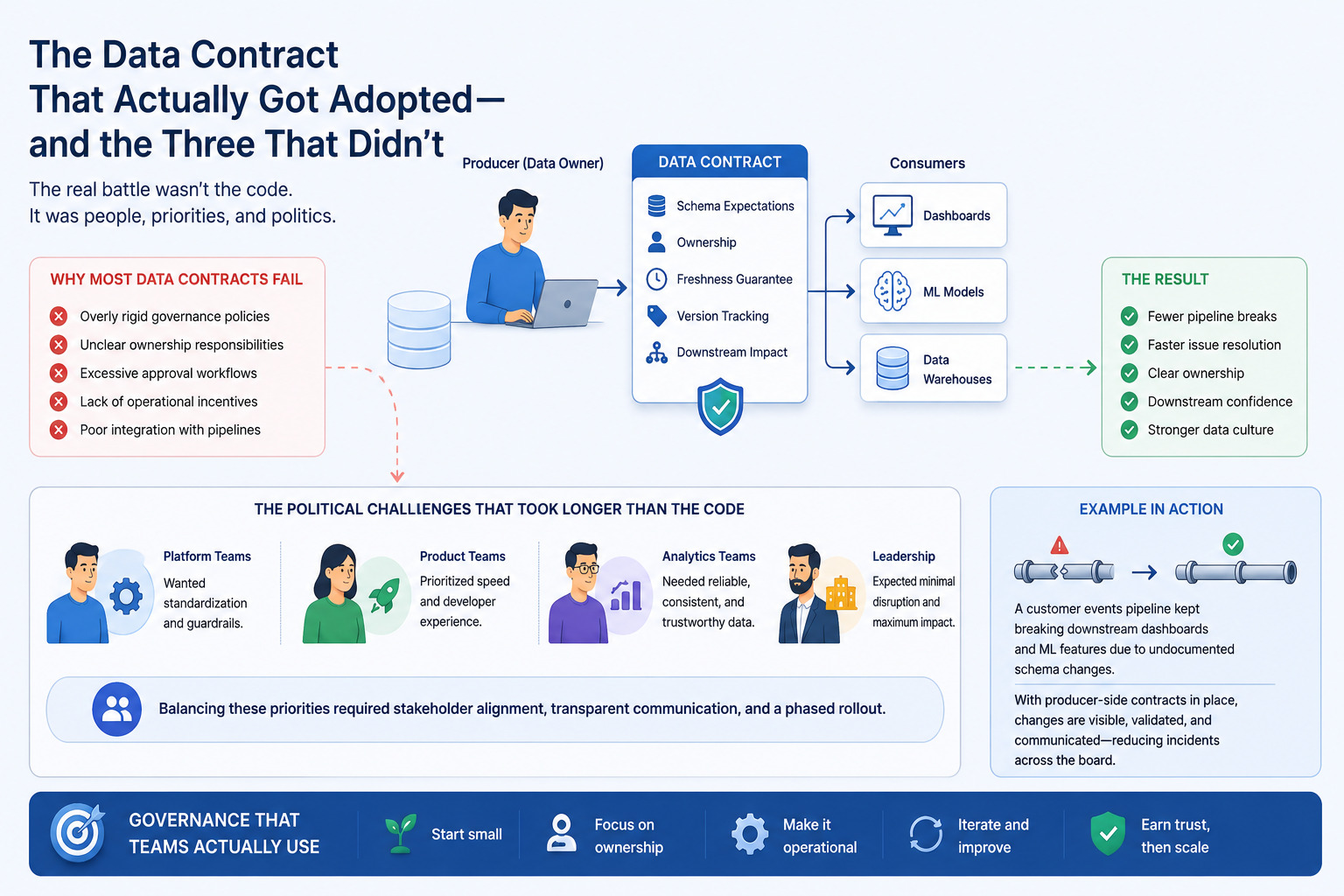
Many governance initiatives fail because they introduce excessive complexity too early. Smaller organizations typically operate with lean engineering teams, fast product cycles, and evolving business requirements.
Without a pragmatic approach, governance can quickly become:
- Difficult to maintain
- Overly bureaucratic
- Poorly adopted across teams
- Detached from operational workflows
- Too expensive to scale
This reduces both adoption and long-term effectiveness.
What Modern Stewardship Should Focus On
Effective stewardship models prioritize clarity, ownership, and operational visibility rather than rigid control structures.
For companies under 1,000 employees, governance efforts should focus on:
- Clear data ownership
- Critical asset classification
- Lightweight approval workflows
- Shared operational standards
- Documentation consistency
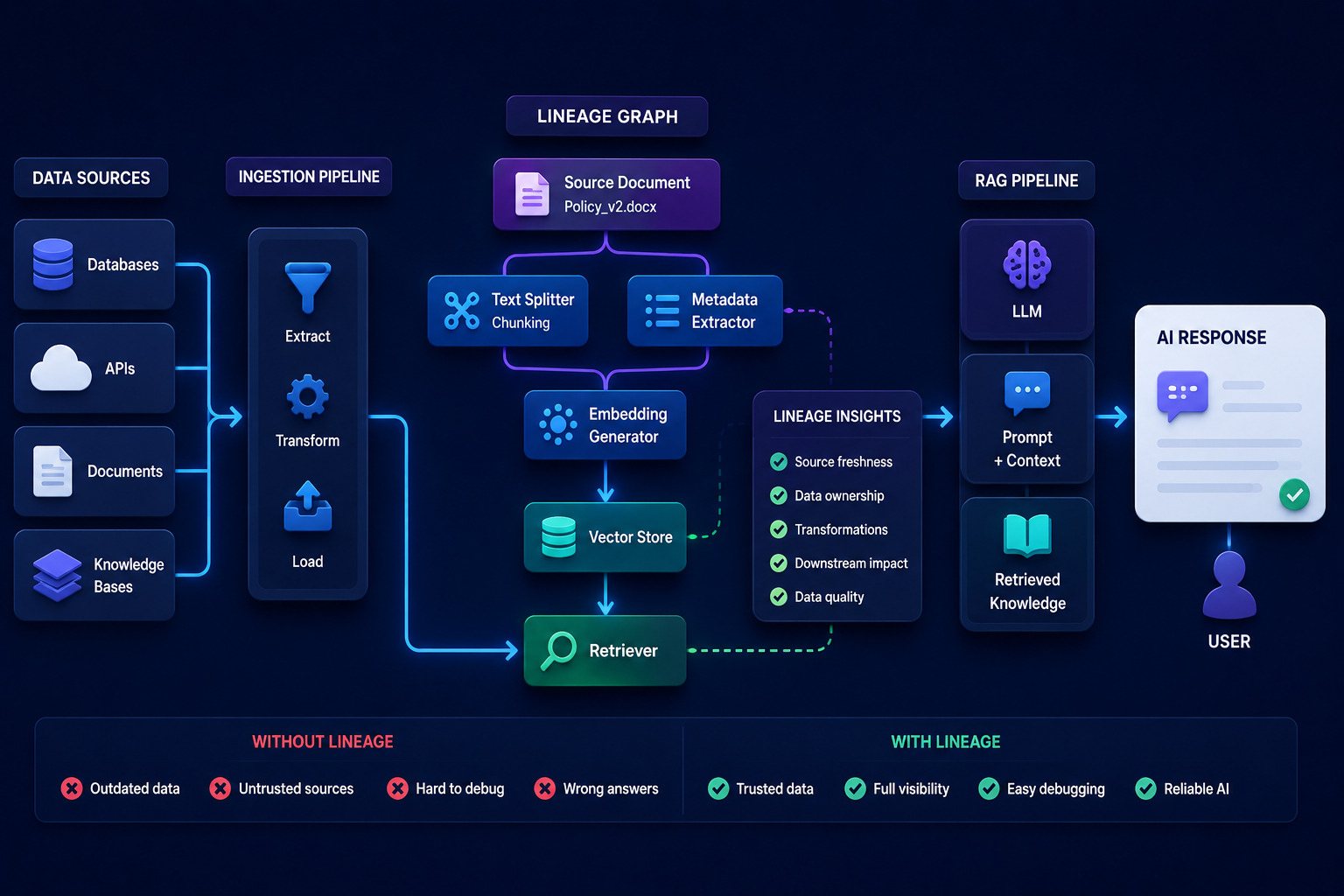
- Basic lineage visibility
These foundations help teams scale responsibly without sacrificing agility.
Building Governance Around Teams
Successful stewardship programs work best when embedded directly into existing engineering and analytics workflows.
Rather than creating isolated governance departments, organizations should encourage collaboration between:
- Analytics engineers
- Platform teams
- Business stakeholders
- Data owners
- Security and compliance teams
This creates stronger accountability and improves cross-functional trust.
Example Use Case
For example, a growing SaaS company may assign ownership of customer analytics tables directly to domain-specific teams instead of centralizing every governance decision through a dedicated committee.
This lightweight ownership model improves operational speed while maintaining accountability across critical business data assets.
Building Sustainable Governance Practices
Pragmatic stewardship models help smaller organizations establish governance foundations that scale alongside the business.
By focusing on operational simplicity, ownership clarity, and practical adoption, teams can improve trust, reduce data risks, and maintain healthier analytics ecosystems over time.